

My family spent 11 years in a camp. When I see street kids selling gas out of used water bottles, I see myself. Think about their potential. Imagine what the world is missing out on.
This article was featured in USA Today January 2023 and can be read there via a link at the bottom of this page.
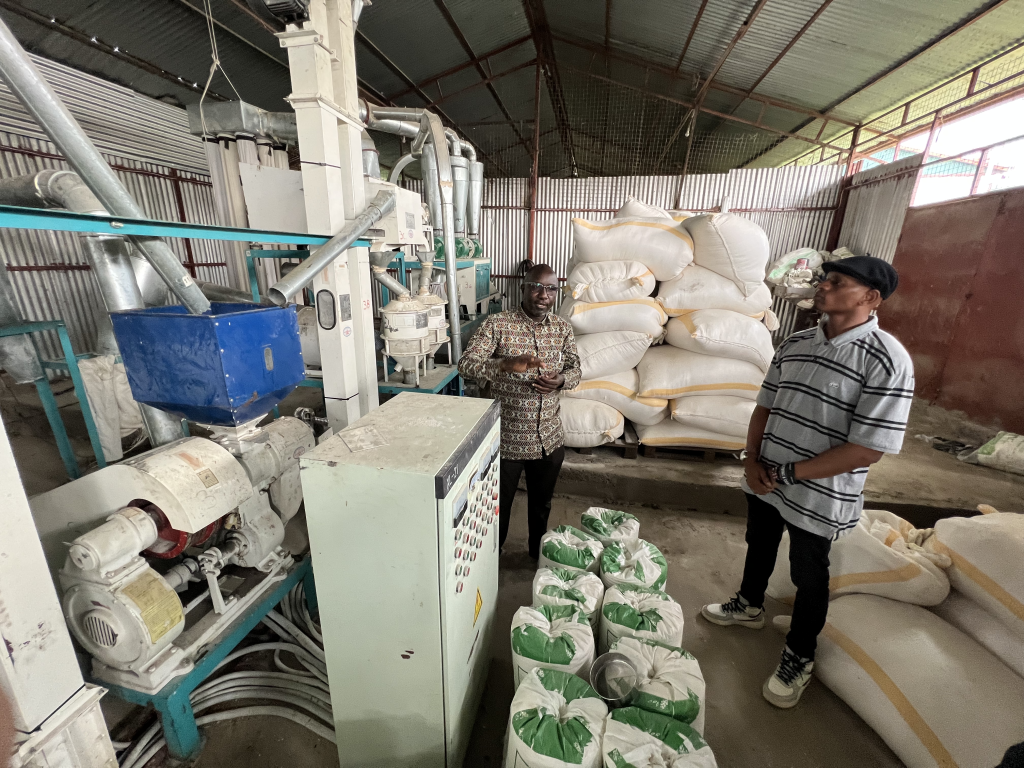
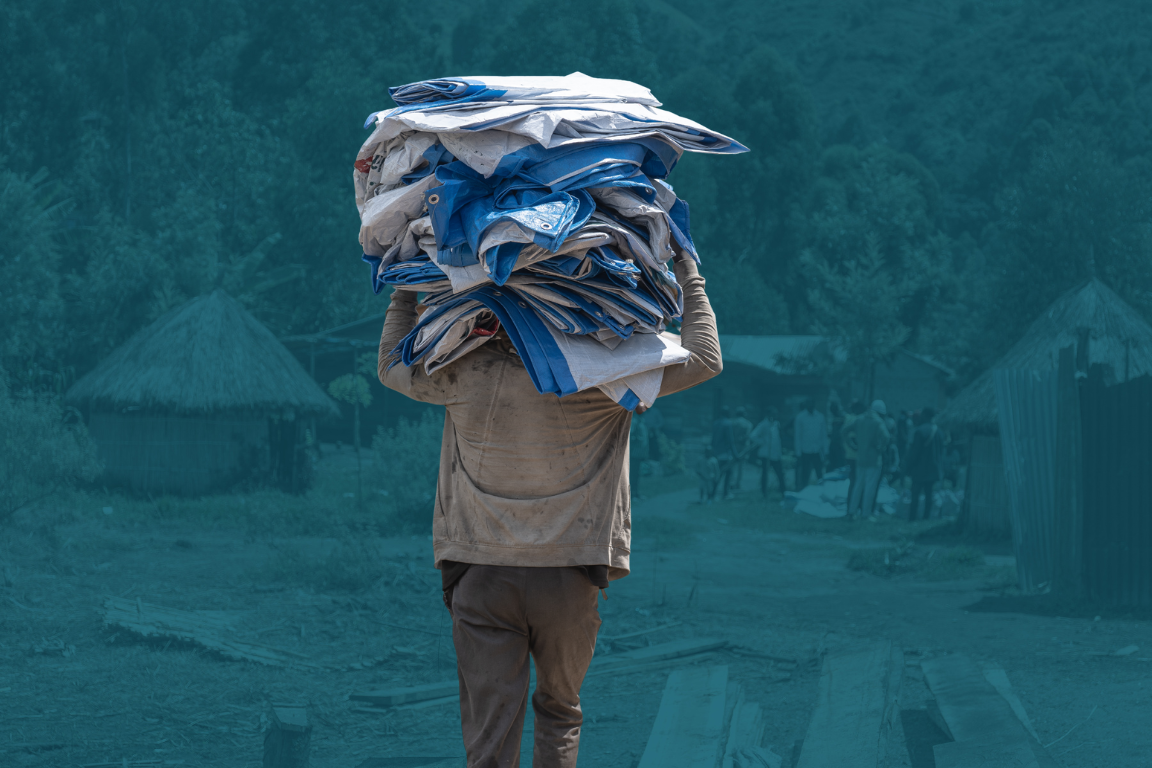
I was given a tool to cut trees. That’s how aid started for me as a refugee. Now, as someone who has spent decades leading international aid, it’s the perfect metaphor. You see, with these machetes we could gather large sticks and build a temporary shelter, but we weren’t given any tools to grow trees. And that’s the challenge with our current approach to international aid. Eventually, there are no more trees. And there is no one left who knows how to plant them.
Once refugee camp systems appear, you are assigned a number that often replaces your name. It starts a process of treating all refugees the same, irrespective of their ages, social backgrounds, education, or goals. As a teenager, my questions turned to the future–what I wanted to be, the lost dreams of education, a career, a relationship. For my parents, they grieved over their lost properties and all the stability they had toiled for.
I’ve worked in the humanitarian sector for over 20 years and see the same kind of approach in project development–without context, without involvement of the local community. We label people “vulnerable”, so we act on their behalf. But before they were “vulnerable” they were already many other things: doctor, plumber, parent, teacher, mayor.
UNHCR reported that there are now over 103 million displaced people worldwide. In March alone, 4.3 million Ukrainian children were displaced. Official reports are sharing that over 260,000 Congolese have been displaced in the past few weeks by the M23 rebel group. Our local partners say that number is closer to 500,000 families. That means over 1% of all people are displaced. Focusing on immediate solutions alone is creating ripple effects that last generations, deeping inequities and ongoing conflict.
No refugee camp begins and ends in one day–the average time spent in one is over 10 years. Right now, 37 million refugees in the world are children, dealing not only with their predicament due to conflict, but losing a significant portion of their future. Without proper education and skills, they enter adulthood without the necessary preparation for a career, parenthood, or participation in a healthy civil society. No wonder we see a spike in violence and banditry when a war is over, we invested in it as soon as we failed to see the most valuable resource in humanitarian situations: the people themselves.
It’s time for us as a global community to rethink the way we approach aid:
1. Localization–Shift power to local communities.
My current organization, Eastern Congo Initiative, acknowledges that actions led by local organizations are more successful. No one understands complex challenges better than those living with them, and no one is more invested.
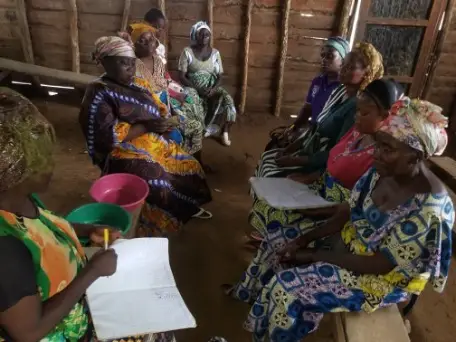
When ECI funded the formation of IFCCA (Initiative des Femmes Congolaises dans le Café & Cacao), it was because 48 women came forward to change the way women were represented and equipt in coffee and cacao farming. Today, there are over 23,000 members. Imagine the ripple effect that organization is having. Rather than go for short term metrics, we need to invest in building sustainable change. It needs to be from, of, and for the community with goals that extend beyond a grant.
2. Quality–Build what you would use
When I was in the refugee camp, we were given rations of bulgur, but we were rice people. We had no idea what bulgur was, and we didn’t know how to identify that it was contaminated. All over the camp, everyone was sick because of the rotten grain–everyone but the staff–because they ate different food, better food.
I never want to eat better food. My nine month old daughter received her vaccines in Congo at one of our clinics. Everyone on our team drinks water from our taps–just like our 200,000 clients. If we want to make lasting change we have to eliminate “us” vs “them”. There is just us.
3. Dignity–Agency builds a future.
Let me borrow from the American Constitution: Life, liberty and the pursuit of happiness. To me, that’s dignity.
For years, no one asked me what I wanted or what I could contribute. If you take away agency, you remove part of someone’s humanity, we treat them as temporary. But temporary people receive temporary solutions. We need to center our work on dignity to raise expectations on ourselves and the quality of life for those we serve.
4. Get it right for one–Then aim for 1,000
We are a sector fixated on metrics–impact numbers of people served and projects completed. It’s easy to forget that those numbers are people and the future of entire communities.
We must remember that numbers do not always equate to lasting, positive change. Afterall, would you send your child to a private school that boasted building a new location every day? No. But we see that on an NGO site and don’t blink. We might even donate.
5. Define the problem–See opportunity
Most world leaders, even some NGOs, describe refugees as a problem. I understand the strains an influx of people has on the resources of a country, however, this blinds us to actual progress. The problem is not the refugees, but the situation that made them refugees.
Often when I share my story people offer compliments about overcoming obstacles and my accomplishments in aid. The reality is that there are millions of Abrahams around the world that don’t get a chance to contribute. When I see street kids selling gas out of used water bottles, I see myself. I did that.
I often think about all the potential sitting in those kids.
Imagine what the world is missing out on.
Abraham Leno, executive director of Eastern Congo Initiative, has dedicated his life’s work to promoting health, dignity and joy in the world’s most difficult places – starting in Guinea, where he and his family were refugees themselves for 11 years.




Your writing is like a breath of fresh air in the often stale world of online content. Your unique perspective and engaging style set you apart from the crowd. Thank you for sharing your talents with us.