Five years ago, Nabintu, a mother of two from Mumosho, struggled to find stable employment. Opportunities for women in waste management were almost nonexistent, and the informal sector offered only meager, irregular income. “I remember the piles of waste in the streets and the way people looked at me when I said I wanted to work in this field,” she recalls.
In 2025, everything changed. Through a community recruitment program by SOCECO, supported by Eastern Congo Initiative, Nabintu was hired as a formal waste collector. At the time, only 45% of waste was collected systematically, and women made up less than 10% of the workforce.
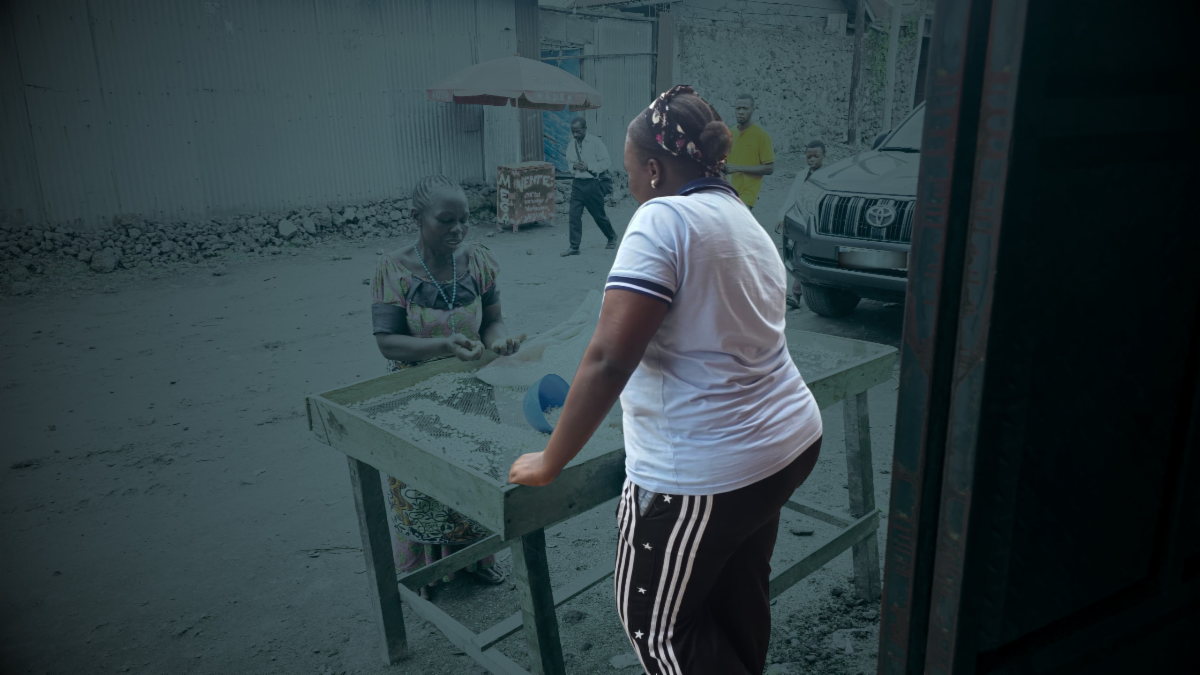
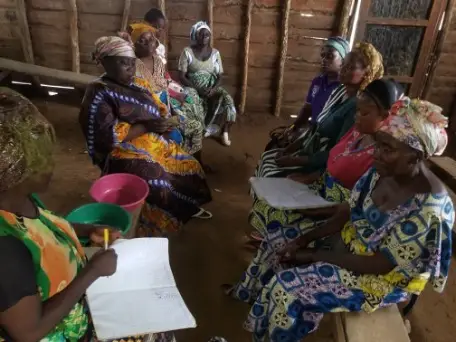
Nabintu embraced the opportunity, seeing it as more than a job: it was a chance to clean her environment and prove that women could excel in this sector. Today, she supervises waste collection along the Ruzizi River near the Ruzizi II hydroelectric dam, earning a stable income that has tripled her previous earnings. She now pays school fees, uniforms, and supplies for all her children, invests in a small pig farm, and participates in a local women’s savings group.
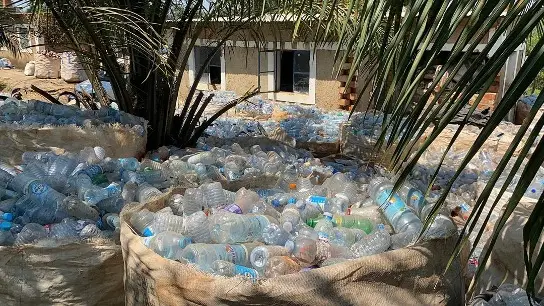
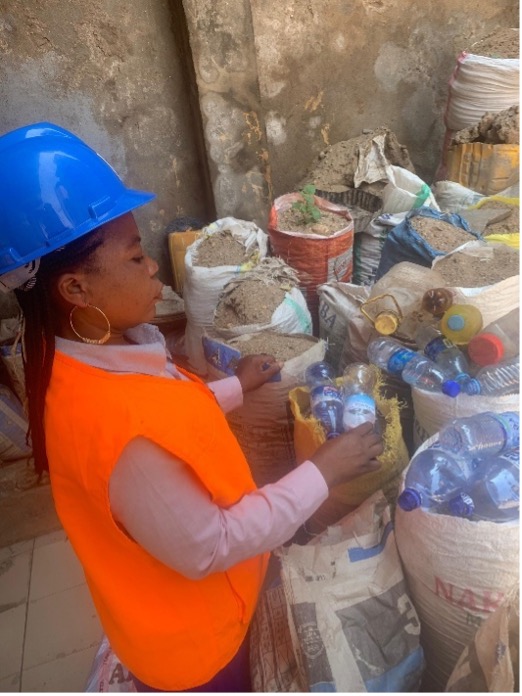
Through SOCECO’s training programs, Nabintu learned how to identify, sort, and valorize different types of waste—from plastics to metals—turning environmental service into economic opportunity. Her team reduced workplace accidents by 40%, while structured waste collection in her area increased to 78%, and women’s participation in the sector rose to 30%.
“I am no longer a woman digging through trash. I clean the environment and create value. Thanks to ECI, I now have economic stability, social recognition, and the chance to build a better future for my family.”
Nabintu’s journey shows how structured support, training, and recognition can transform lives, empower women, and drive sustainable local development.